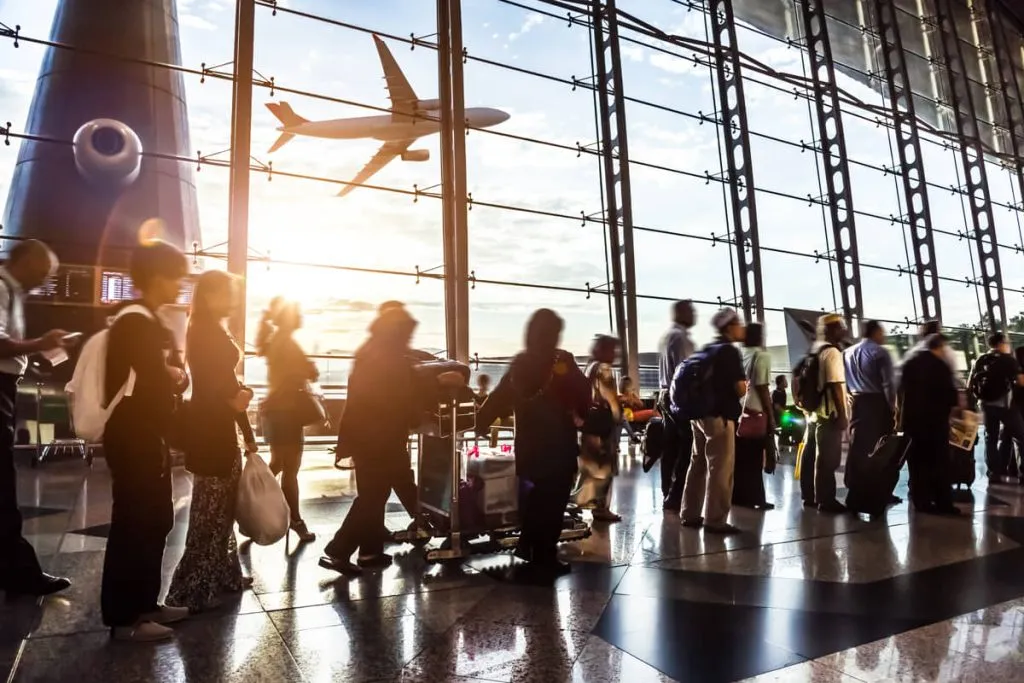
Decide what to emphasize in destination marketing, which attraction features to develop, or how to serve different travel occasions. Russell designs the research around the people making that choice and the alternatives they consider.
A destination campaign, a new attraction, and a roadside stop each involve a different choice. These examples show how the audience and research design would change with the question.
Destination marketing
Which reasons to visit should your campaign emphasize?
Who the research needs to include
People in the destination's target markets, with relevant travel plans and experience. Define which traveler groups need separate comparisons.
How we would study it
Measure the factors behind destination choice and responses to the campaign over time. Review those findings alongside website activity and occupancy data to give the marketing team a fuller view of performance.
Which features and ticket offers are worth developing?
Who the research needs to include
Potential visitors in the intended market. Current customers can help evaluate an extension, but the sample must also reflect the people the new offer is meant to attract.
How we would study it
Explain the proposed experience, compare feature priorities, and examine which combinations appeal to different visitors. When price is part of the decision, test offers that require people to weigh features against ticket cost and alternatives.
What does the traveler need on this particular stop?
Who the research needs to include
Travelers describing a specific trip or stop. Separate trip circumstances from personal characteristics, and distinguish professional-driver needs when they are part of the assignment.
How we would study it
Examine the purpose of the stop, time available, needs, and alternatives considered. A quick refueling visit and a longer break may call for different services even when the traveler is the same person.
In this published engagement, a tourism bureau used recurring research to revise communications and assess target-audience response through changing travel conditions.
Published case study
Tracking that guided a destination's marketing
A multi-year tracker measured vacation-decision drivers and campaign response. The destination used an interactive dashboard to review survey results alongside hotel occupancy and website visits.
Tracking program
Multi-year
The measurement continued through changing conditions.
Data sources
3
Survey, hotel occupancy, and website data appeared together.
Tell us about the destination, attraction, or travel service, who you need to understand, and when the decision is due. Include any existing research or visitor data the study should build on.